

Author: janus
I'm back......and front - in sunny Sussex-by-the-sea
A Pyrrhic victory?
The ever-vigilant meeja continue to report that the EUroprats are sneering at the efforts of the UK team to negotiate BREXIT, led by JC Juncker himself. But if it’s obvious to me it must also have struck others that the EU members have a lot to lose from driving the UK into a corner. Why? Because whether the EU’s feelings are hurt or not, the UK will remain an important trading partner. And trade goes both ways.
The Chambers of Commerce of Britain and Germany seem to have reached a similar conclusion, pointing out to the EU that businesses will suffer if more positive moves are not made – and soon.
Let’s hope that as their suntans fade the EU’s supercilious expressions will also give way to serious attempts at agreement. Otherwise, who wins?
What a beauty!
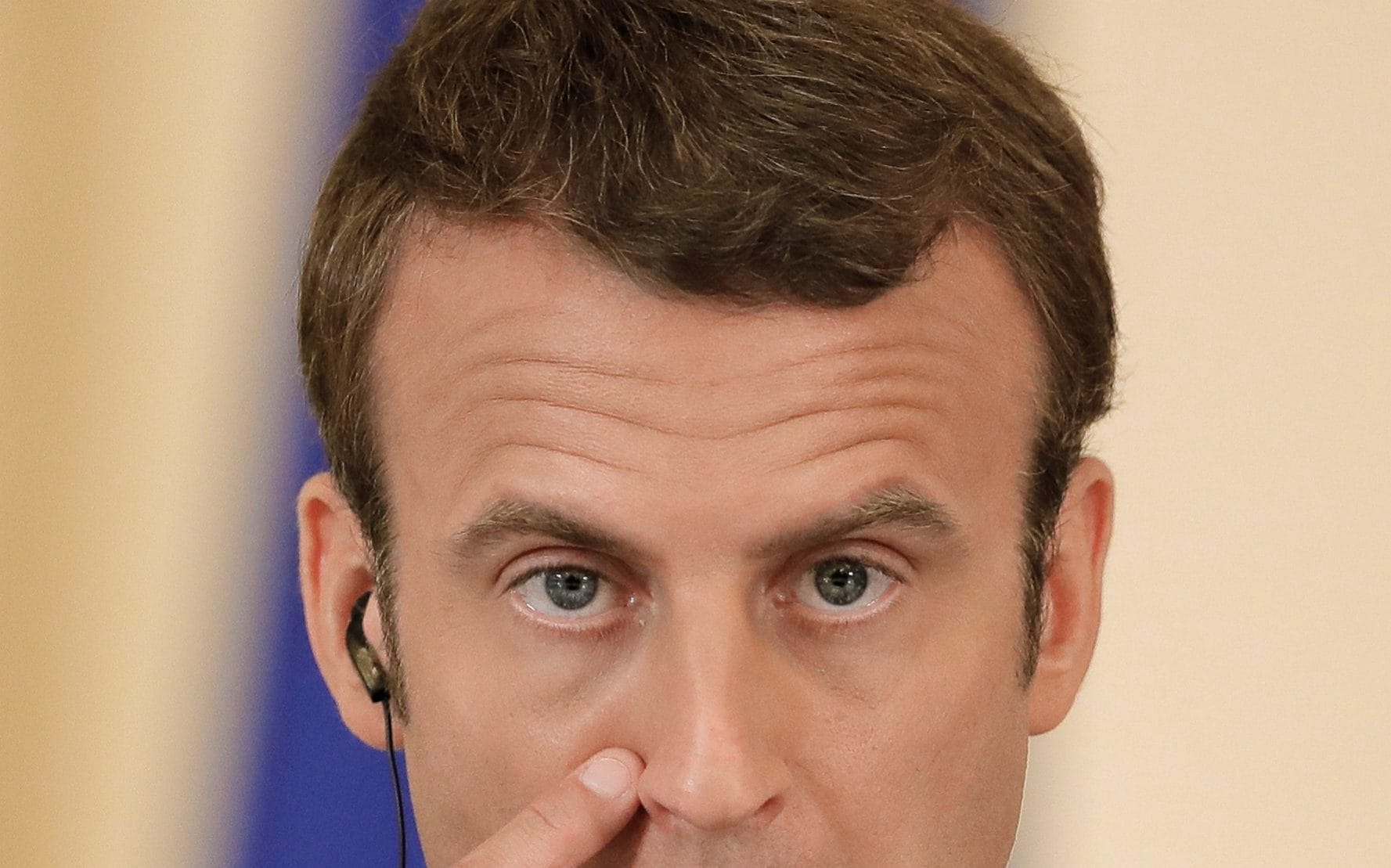
Tum-te-tum-te-tum….Stuck a feather in his cap and called it Macaroni…..
Not only that, mes braves! He blew beaucoup de euros on face-paint too. Mais pourquoi?
- Does he have something to hide?
- Did he tell his wife, ‘I will if you will?’
- Does he want to look like Angela?
- Is he having an affair with his make-up artist?
- Is he advertising a well-known brand of cosmetics?
- Or wha’?
Plebiscites are the problem
I know one of our cherished colleagues currently resting in NW America would have us use referenda to run the country – like a township in God’s own country. Democracy at its purest.
Unfortunately last year’s vote on Britain’s EU membership has caused psephologists (and normal folk too) to question their real value. I mean, why not have another go if you don’t like result of the first? One particular guru who was one of our Dave’s teachers has written about it:
https://www.theguardian.com/commentisfree/2017/aug/19/british-voters-second-referendum-on-brexit
His justification is that the voters may have seen the error of their ways! Yeah, right! (Which being translated is ‘now agree with him’.) In fact that’s precisely the problem with the whole idea of asking people to vote on issues. They will change their minds and change them back again (etc. ad nauseam) – which ain’t no way to run a railroad. That’s why we have a Parliament, to even out the bumps in the road to decision-making. Or to try another analogy: videos provide more evidence than snapshots.
I’m afraid I can hardly credit the principle that if you don’t like an answer, you can always ask the question again!
Dog days
Like everything else, even the hot and sultry weeks old Srius used to offer us have changed – to cool and damp. And countless Charioteers (at least I have lost count) are taking their R and R away from the proferred joys of our W and W (er…. wit and wisdom?).
The remaining participants are ‘off’ politics, off royalty, off meteorological mysteries – so what’s left? The culinary arts, garden rescue, tales of times past….and of course, love – the passion that drives us.
Better to let sleeping dogs lie, eh?
Y’couldn’t make it up
The Women’s 50 km Walk around iconic London landmarks. Two Chinese athletes vie together for medals. Their names? Yin and Yang. Big Smiley Thingy.
Back to the future
I have an awful feeling of dèja vu when I scan the headlines today. The so-called Cuban missile crisis in 1962 was similar, but in several key respects different.
First of all, the context was the Cold War, when fear and suspicion were the background to every international event. 2017 has been relatively calm diplomatically. Second, the protagonists were schooled in the politics of the time: fear and suspicion! Third, the media and even, one suspects, the leaders of the USA and the USSR were dependent on relatively primitive intelligence-gathering. Nothing was certain.
Lastly, the current leaders might both be classified as mentally defective. Both rely on a supreme sense of superiority and power, neither, it seems, relying on the support of their people.
I can only hope a peaceful solution can be found this time, as it was in 1962.
Life ain’t easy
Prince Philip’s dignified withdrawal from public life last week is not mirrored by his counterpart in Denmark, for whom the rôle of second fiddle has long been a bone of contention with his Queen, Margrethe.
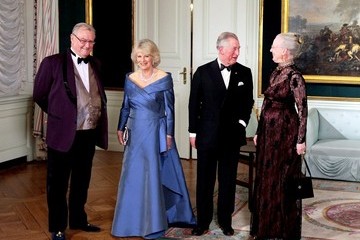
Prince Henrik (whose name was modified from the French, Henri) performed his duties as consort for several decades until 15 years ago when his son, Crown Prince Frederik, became first reserve whenever the Queen was unable to turn up. Henri saw it as a slight. More recently he made it known, rather forlornly, that he should be promoted to King; and only last week he announced his burial place would not be alongside his Queen in Roskilde, the traditional resting place of Danish monarchs. He no longer participates in royal events at all. (The above meeting was in March this year.)
Perhaps, if pressed, he would point out that his predicament could never happen to a female consort – witness his son’s Tasmanian spouse: eventually to be Queen Mary (not Maria!) when Frederik accedes. All I can say is, life ain’t easy, Henri.
Pardon?
It can be dangerous to seize the moral or social high-ground. But it’s what institutions and their representatives do for a living.
Take the venerable Church of England. It gets its ecclesiastical underwear in a tangle every time a social norm is challenged, trying valiantly to remain relevant. Divorce, same-sex partnerships, gender-switching – and now women’s rights. Guess what! Equal pay is a distant dream for female staff at Head Office! Come on, Justin.
And on the day when British society’s top dog conducts his final public duty, the top people’s handbook flies in the face of decency and established principle. How? By declaring that the cognoscenti now accept the long-outlawed retort, ‘Pardon?’ when one mishears or seeks clarification. The Murican interrogative alternative, ‘Excuse me?’ has never gained acceptance in the face of the patrician, ‘What?’ and is now firmly removed from the contest by the plebeian and not-a-little-Gallic, ‘Pardon?’.
Both of these faux pas will acquire legs, I fear. Two referenda will be needed to help us decide what to do.
A royal dilemma?
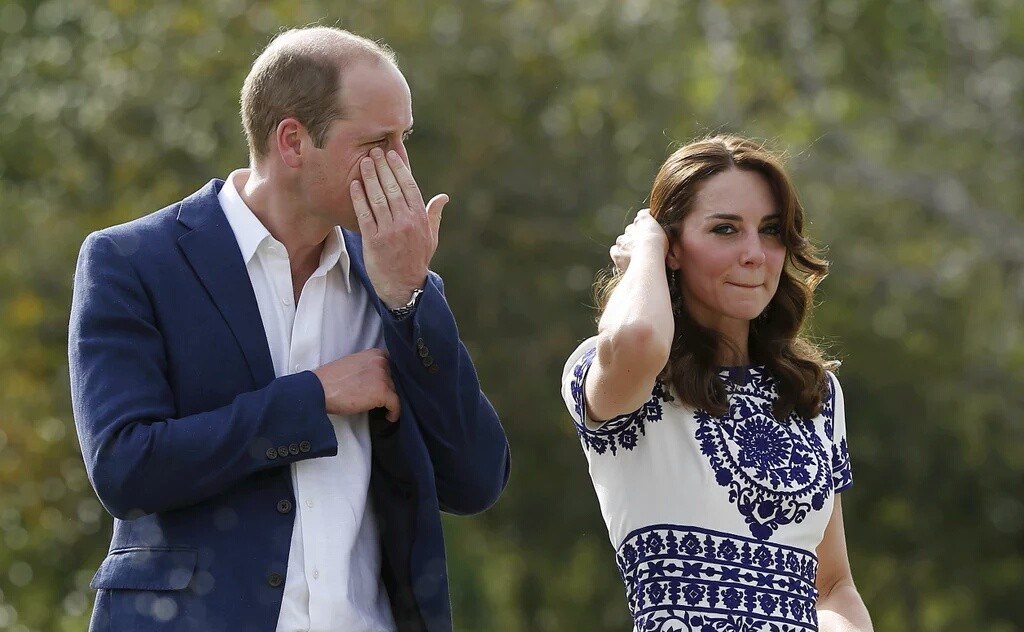
The anniversary of Diana’s demise has prompted public outpourings of emotion across the meeja and (for me surprisingly) from her family. Once again the Windsors find themselves dragged into a world where emotions are worn proudly on the sleeve while they continue to demand privacy and special treatment whenever it suits them. The Princes themselves were certainly the victims of the misconceived funeral display – but should they continue to parade their grief? Was their family less revered while Margaret’s tribulations were more discreetly exposed?
 Boadicea's Chariot
You must be logged in to post a comment.