If you were around in 1919 and came upon the following poster…
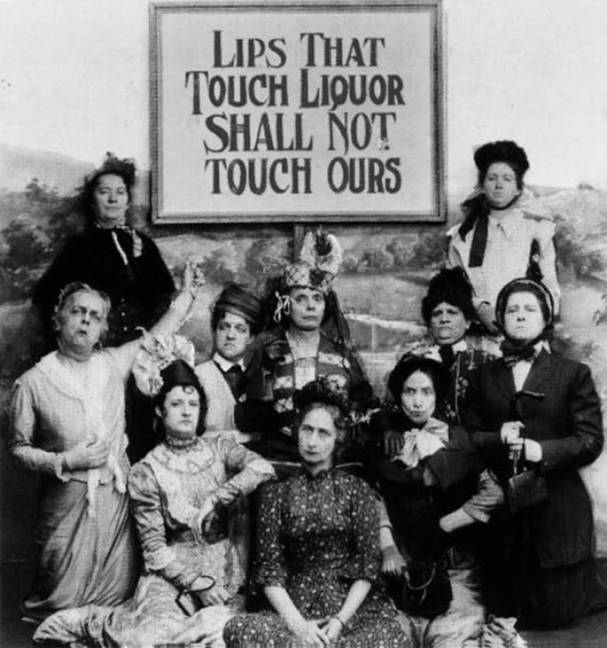
I mean, seriously … wouldn’t you just keep drinking?

If you were around in 1919 and came upon the following poster…
I mean, seriously … wouldn’t you just keep drinking?
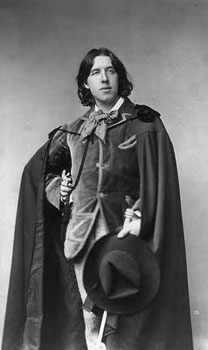
I always pass on good advice. It is the only thing to do with it. It is never of any use to oneself.
Oscar Wilde
Goodnight everyone, sleep well.
David Cameron with George Osbone and Nick Clegg – a fair comparison?
Alan Price – The Jarrow Song
How many of us here were Grammar School educated?
The top floor studio was ideal. Stacks of old paintings, metal utensils and other assorted clutter were scattered all over the place. This made the property cheap by the city’s standards. Dereliction might be off-putting for some; although I’ve watched TV builder entrepreneurs transform pits into palaces. For me dilapidation was right up my street, I work better in chaos.
At last I had somewhere to forget my kinky muse and I didn’t need to march to a far away desert singing about a black pudding with other outcasts. This spacious, detritus strewn attic made me dismiss thoughts of jumping in quicksand. Yes, it was touch and go for awhile there. I remember the fateful day as if it were yesterday. Continue reading “Canvasses and Mattresses (JM’s creative comp)”
Two months before their fortieth wedding anniversary he left. Jill was in shock and found she couldn’t focus on practical details. Her eldest son cancelled all the party arrangements and arranged an appointment with the solicitor.
She refused to attend. The reality of the situation was something she chose to ignore however much her children urged her to protect her own interests. She ignored phone calls from her husband, and flatly declined to discuss the situation with her friends or family. She snubbed the press, and likewise, increasingly frantic communications from the PM’s Office.
It was a frustrating time for all of them but every time they visited their mother, she was pottering around as usual in the garden or walking the dogs. She was not in the slightest bit curious to know where he was or what he was doing. After years of ignoring his various infidelities and petty cruelties she simply carried on as normal. Of course, she was on some level aware that her life would change in the future, but she wanted to face that in her own time, and at her own pace.
Ah, well, then I suppose I shall have to die beyond my means.
Oscar Wilde
Goodnight everyone, sleep well.

My argument for the preferential treatment of certain subjects in education met with an objection from some to ‘social engineering’. I find this puzzling. Do these people object to social engineering in principle, or to what has over the years been a primary objective of that process? If it is the former, they have a logical dilemma. One cannot object to the principal of ‘social engineering’ and protest about the government’s failure to control immigration, for example.
If we view society as a complex entity in a state of constant transition we have to accept either that its shape is ‘engineered’ or left to random forces. If the former is thought preferable, we have to ask who or what should do the engineering. Historically, that has been done by governments and is, indeed, the rationale for having government at all. In my view, it is the principal responsibility of government to define a society’s strategic needs, and to determine the policies necessary to meeting them. That is simply what governments should do, and is the reason for our desire to have some democratic control over their activity.
Recognising the need for that process does not imply support for the specific strategic aims a government pursues. For many years British governments of all stripes have pursued pseudo-egalitarian objectives, perhaps most closely observed in education. We witnessed the attack on grammar schools, for instance, by the likes of Anthony Crosland and Shirley Williams conducted in the name of social equality and fairness. Yet, while slamming the door in the face of bright, working class children, these people did not abolish the public schools, which were a much more evident symbol of inequality. It was, of course, a pseudo-egalitarianism that they pursued, but successive governments have continued to pay lip-service to this particular idol.
I am bitterly opposed to such idolatry, but my objection to a specific objective or set of policies does not deny the legitimacy of government’s role in developing and pursuing strategic objectives on our behalf. I do not believe the slogan that less government is better government. Indeed, the reason we are presently in crisis lies in government failure to do its job.
Australian sues Council for racial discrimination in England.
I had no idea they were such delicate little flowers.
The only ones I came across in the work environment had enough self-confidence for the planet, and then some, although we did enjoy ribbing them, mainly because they seemed to think Melbourne was the centre of the universe. It stemmed apparently from their school atlases being centred on – you’ve guessed? – Australia! I grant you, his workmates do sound pretty childish to have kept it up for so many years – a few well-aimed blows at the very beginning would have put a stop to it. Do Australians rank as a “race”? Over to you, Bearsy.


You must be logged in to post a comment.